Pest Control Services That Address Both Indoor and Outdoor Threats

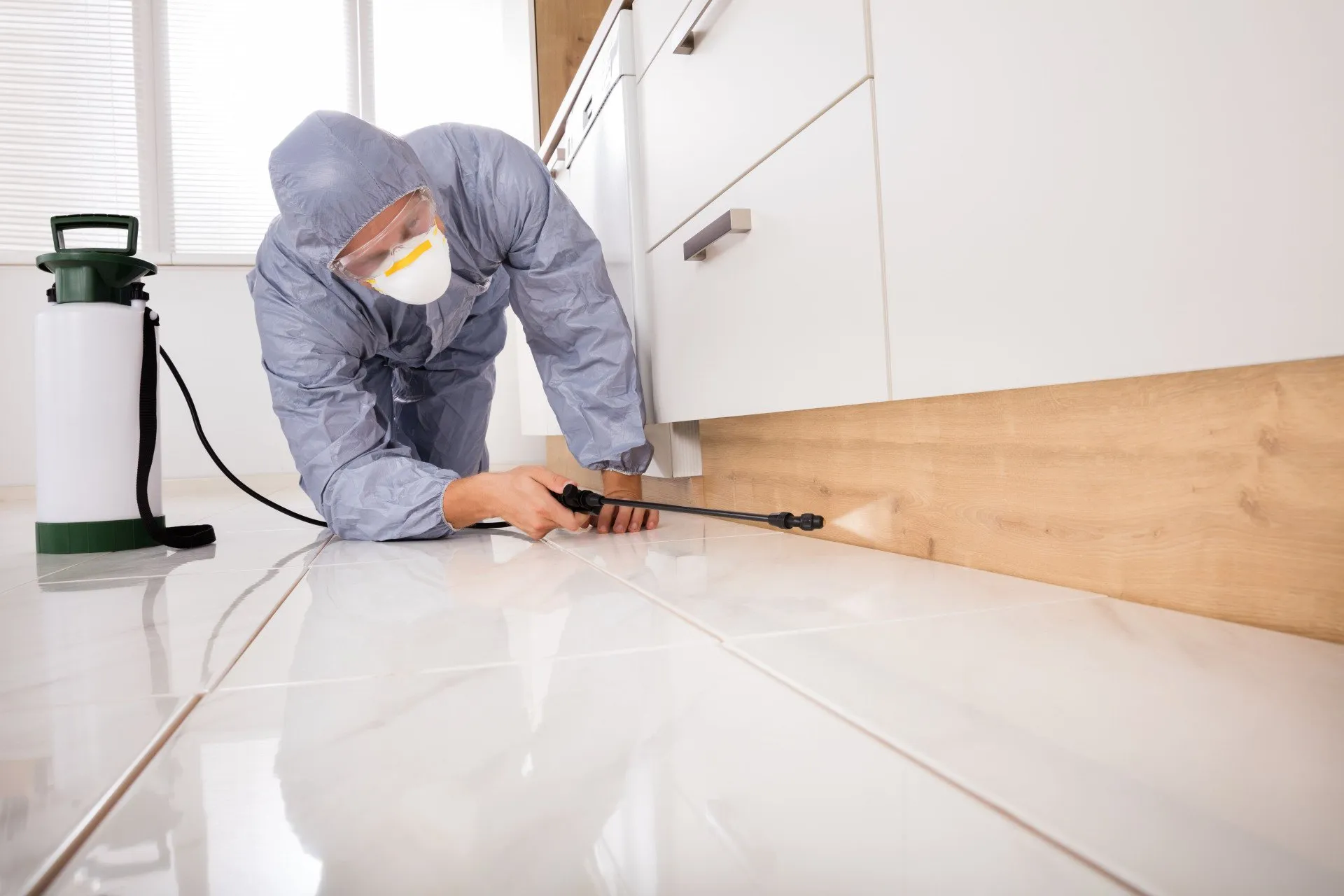

A pest problem rarely stays in one place. What starts in a flower bed can move into a crawl space. What looks like a kitchen ant issue may actually begin with moisture around the foundation. Rodents nesting behind a shed often find their way into attics once temperatures shift. That is why effective Pest Control Services cannot treat the house and yard as separate worlds. The pressure outside shapes what happens inside, and indoor conditions often reward pests that first arrived from the exterior.
Homeowners sometimes call for service when they notice one obvious sign, a trail of ants near the sink, scratching in a wall at night, mosquito activity that makes the patio unusable. The visible problem feels local and immediate. In practice, the source is often wider. Pests follow food, shelter, water, and seasonal opportunity. A service plan that tackles only one room, one trap, or one spray point may offer quick relief, but it often leaves the larger cycle intact.
Experienced technicians learn to read a property as a system. Landscaping, drainage, structural gaps, attic insulation, pet feeding habits, stored firewood, mulch depth, and sanitation all shape the kind of pest pressure a home will face. The best results come from treating entry points, harborage areas, and breeding conditions together rather than reacting to each new sighting as if it were unrelated.
Why indoor and outdoor pest activity are connected
Many common household pests spend part of their life cycle outdoors or rely on outdoor conditions before moving inside. Ants are a good example. Colonies may establish themselves under pavers, tree roots, or concrete slabs, then send workers indoors once they find a dependable food source. Roaches often thrive outdoors around leaf litter, drains, and utility penetrations before appearing in bathrooms, kitchens, or laundry rooms. Spiders follow prey, which means that exterior insect populations can directly influence how many webs end up around windows, soffits, garages, and basements.
Rodents behave in much the same way. A mouse may begin by using dense vegetation or a cluttered outbuilding for cover. From there it can exploit a gap as small as a dime-sized opening and start nesting inside insulation, wall voids, or stored materials. Rats need larger openings, but they are strong climbers and determined chewers. If a property offers easy food and protected travel routes outside, indoor infestations become far more likely.
Termites and other wood-destroying organisms illustrate another layer of the connection. Subterranean termites live in the soil. Their access to the structure depends on grading, moisture, wood-to-ground contact, and foundation vulnerabilities. Treating interior evidence without managing those exterior conditions misses the real battlefield.
This is the difference between surface treatment and property-wide pest management. One suppresses symptoms. The other interrupts movement, nesting, and reproduction.
What a full-scope inspection should actually cover
A quality inspection does more than confirm that pests are present. It tries to answer three practical questions: where are they coming from, what is sustaining them, and how easily can they return after treatment?
Inside the home, that means looking beyond the room where the complaint started. Kitchens, bathrooms, utility penetrations, baseboards, attic spaces, garages, crawl spaces, and storage zones all matter. Evidence may be subtle, especially early on. Grease marks from rodents, insect frass, shed skins, gnawing, egg cases, moisture damage, and odor can tell a more accurate story than the occasional live sighting.
Outside, the inspection should move methodically around the property. Foundation lines, door thresholds, weep holes, window frames, roof intersections, gutters, downspouts, fences, vegetation touching the home, and standing water deserve attention. It is also worth checking less obvious features such as irrigation overspray, decorative stone beds that stay damp, and trash storage areas. In one case I saw repeated ant problems in a renovated kitchen where the workmanship indoors was excellent. The real issue was a leaking hose bib behind a shrub line. Once the moisture source was corrected and the colony activity was treated outside, the indoor traffic dropped off sharply.
This kind of inspection is what allows Pest Control Services to be strategic rather than generic. It prevents overtreatment in the wrong places and under-treatment where the real pressure exists.
The pests that most often cross the line
Different regions have different headline pests, but several categories show up again and again when indoor and outdoor threats overlap.
Ants are among the most persistent because colonies can split, relocate, and adapt. Some species prefer sweets, others protein or grease, and treatment that works for one may fail for another. Exterior baiting, crack-and-crevice treatment, exclusion, and moisture correction often work better together than any single tactic alone.
Roaches range from species strongly tied to indoor nesting to species that mostly enter from outdoors. That distinction matters. A homeowner may do everything right with kitchen cleaning and still see occasional roaches if mulch, drains, or hidden entry routes around the structure are not addressed.
Mosquitoes are technically an outdoor pest, but they influence how a property is used and can enter homes through routine traffic. Their control depends heavily on breeding site reduction, vegetation management, and targeted treatment of resting areas. If standing water remains in neglected corners, the pressure returns quickly.
Rodents move fluidly between exterior shelter and interior nesting. A tidy kitchen helps, but it will not compensate for open vents, roofline gaps, or garage door sweeps that no longer seal.
Spiders, wasps, and occasional invaders such as centipedes, earwigs, and beetles often point to exterior conditions as much as interior ones. They do not all require aggressive treatment, but they do call for judgment. Not every spider near a porch light represents a serious infestation. At the same time, recurring wasp activity around eaves can create a real safety issue for families with allergies.
Indoor treatment without outdoor control usually falls short
Homeowners understandably want immediate relief where they live. If roaches are in the pantry or mice are in the attic, the instinct is to focus every effort inside. That is necessary, but it is rarely sufficient on its own.
Take German cockroaches, which do primarily infest interior spaces. Even there, success depends on more than indoor chemistry. Appliance voids, grease buildup, cardboard storage, plumbing leaks, and clutter affect how well a treatment will hold. For species that come from outside, the need for exterior work is even more obvious. You can remove current invaders from the home and still lose the battle if the surrounding environment continues to supply fresh ones.
The same applies to rodents. Trapping indoors may reduce a population, but unless openings are sealed and exterior attractants are reduced, the trap line turns into a revolving door. Some of the most frustrating callbacks come from homes where the original service eliminated active animals inside, yet bird seed remained scattered by the garage, ivy stayed dense against the wall, and an unsealed plumbing gap behind a utility line was left untouched. The result is predictable.
This is why experienced providers talk about integrated control rather than a one-step fix. It is not sales language when done honestly. It is a reflection of how pests behave.
What effective outdoor pest management really involves
Outdoor service is sometimes misunderstood as a perimeter spray and little more. In reality, good exterior work starts with habitat pressure. If the yard or building envelope constantly shelters pests, treatment chemistry alone has a limited shelf life.
A professional should look at how water moves through the property. Clogged gutters, negative grading, splash blocks that drain toward the foundation, and overwatered beds all create favorable conditions. Moisture feeds termites, ants, mosquitoes, and many occasional invaders. Dense ground cover and branches touching the house provide bridging routes for ants and rodents. Stacked lumber and leaf accumulation offer hiding spots that stay cool and damp long after the rest of the yard dries.
Exterior baiting can be highly effective for some pests, especially ants and rodents, but it should be placed thoughtfully and monitored. Broadcast treatment may make sense in some mosquito or lawn-related situations, yet broad use is not always appropriate. Skilled technicians match the method to the pest, the pressure level, and the environment around the home.
There is also a timing component. Outdoor treatments often perform best when they are aligned with pest biology and weather patterns. Treating wasp activity before nests expand, addressing mosquito sites before peak breeding, or intercepting overwintering pests before they move indoors can make service far more efficient than responding after the problem is entrenched.
Exclusion is often the most underrated part of the job
The most elegant treatment plan can fail if the structure remains easy to enter. Exclusion, the process of sealing or screening access points, is one of the highest-value services a pest program can offer. It is also one of the most neglected because it takes time, building knowledge, and attention to detail.
Gaps around utility penetrations, damaged weatherstripping, loose siding transitions, torn vent screens, uncapped chimney openings, and garage door edges are common trouble spots. Mice can exploit very small openings. Insects need even less. I have seen persistent pantry moth complaints traced not to food storage at all, but to a poorly sealed vent path that allowed repeated entry from an exterior source near stored birdseed.
Exclusion should be practical and durable. Temporary stuffing materials may stop movement for a short period, but they are not a long-term solution. Good work uses proper sealants, metal mesh where appropriate, fitted door sweeps, screen repair, and sometimes basic carpentry corrections. It also respects the building. Sealing every gap without considering ventilation, drainage, or weep systems can create other problems. Judgment matters.
Seasonal shifts change the threat profile
Pest activity is not static, and service plans should not be either. Spring often brings ant emergence, increased wasp nesting, and rising mosquito pressure. Summer can intensify all of that while also exposing weaknesses in trash handling and outdoor food habits. Fall is prime time for rodents and overwintering insects seeking shelter. Winter does not eliminate pests so much as concentrate certain species indoors where warmth and stable resources are available.
This seasonal movement is one reason one-time service has limits. For a truly low-pressure property, a targeted one-time treatment may be enough. For many homes, especially those near wooded areas, water, restaurants, open lots, or older utility infrastructure, recurring service provides better control because it adapts to the season rather than waiting for each spike to become a crisis.
A good provider explains that rhythm without overselling it. Not every home needs the same visit frequency. Some need quarterly attention. Others benefit from more frequent monitoring during heavy mosquito season or after construction activity nearby disturbs pest harborage.
What homeowners can do between service visits
Professional treatment works best when the property does not keep inviting pests back. Small changes can make a measurable difference, especially when they target moisture, food access, and shelter.
- Keep shrubs and tree limbs trimmed back from siding and rooflines.
- Store firewood and dense materials away from the foundation.
- Fix leaks promptly, indoors and at exterior spigots or irrigation lines.
- Use tight-lidded trash containers and avoid pet food sitting out overnight.
- Reduce standing water in planters, toys, gutters, and low spots.
None of these steps replaces Pest Control Services, but they do improve the odds that treatments hold and populations stay low. The point is not perfection. It is reducing the easy opportunities pests count on.
Choosing a service that treats causes, not just symptoms
Not all pest programs are built the same. Some providers are excellent at emergency knockdown but weaker on prevention. Others are strong on inspections and exclusion but less responsive when a fast-moving infestation needs immediate suppression. The best fit depends on the property and the pests involved, but there are signs of a well-rounded service.
A good technician asks detailed questions, inspects both inside and outside, and explains why the problem is happening rather than simply naming the pest. They should be comfortable discussing what treatment can accomplish quickly, what will take time, and what changes to the structure or landscape may matter just as much as the application itself. If every property receives the same treatment pattern regardless of conditions, that is usually a warning sign.
Communication matters, too. Homeowners should know where products are being placed, what precautions to take if any are needed, and what results to expect over the next few days or weeks. Pest control is often less about a dramatic instant result and more about a steady reduction in activity combined with fewer pathways for reinfestation.
Safety, restraint, and the value of targeted treatment
There is a persistent myth that stronger service always means more product. In well-run pest management, the opposite is often true. Accurate identification, focused placement, exclusion, sanitation guidance, and habitat correction allow treatments to be more selective and often more effective.
That matters for households with children, pets, pollinator gardens, or sensitive areas near water features. Restraint is not weakness. It is professionalism. If a mosquito issue stems mainly from clogged drainage and dense shaded resting sites, clearing those conditions may reduce pressure more than repeated blanket applications. If ants are entering at one window frame due to a moisture-damaged sill, correcting that defect can outperform routine retreatment.
This is also why unrealistic promises should be treated skeptically. No responsible company can guarantee a property will never see another pest. Nature does not work that way. What a good company can do is sharply lower pressure, respond to flare-ups, and keep the conditions that attract pests from regaining ground.
When one pest problem is really several
One of the more common surprises in residential work is that a homeowner thinks they have a single issue when they actually have overlapping ones. For example, a property might have carpenter ants entering from a damp deck ledger, spiders collecting around increased insect activity near lighting, and mice using the same overgrown side yard as a travel corridor. Treating any one of those in isolation may help, but it will not stabilize the property.
This is where comprehensive Pest Control Services earn their value. They connect the dots. They identify how moisture, access, clutter, and landscape conditions create layered risk. They also prioritize, because not every issue deserves the same urgency. Active rodents in a food prep area need a different response timeline than occasional earwigs in a basement after heavy rain.
That prioritization is one mark of experience. So is knowing when to recommend another specialist. Severe moisture intrusion, structural wood rot, or drainage failures often need repair work that goes beyond pest treatment. A trustworthy pest professional says so plainly and coordinates where possible rather than pretending chemistry can solve a construction defect.
The properties that benefit most from a combined indoor and outdoor approach
While nearly every home benefits from seeing pest control as a whole-property service, some settings especially need it. Older homes with settling gaps and mixed repairs https://kylerkqmi595.huicopper.com/how-to-compare-pest-control-services-before-you-hire are one category. Homes bordering wooded lots, retention ponds, open fields, or restaurant corridors are another. So are houses with crawl spaces, dense ornamental landscaping, detached garages, or heavy irrigation.
Rental properties and vacation homes also present unique challenges. Vacancy periods can hide developing infestations. Irregular cleaning schedules, delayed maintenance, and outdoor lighting left on for long stretches all influence pest pressure. In those situations, a provider who inspects both the structure and grounds has a major advantage over one who only treats complaints as they arise.
Lasting control comes from seeing the property as a system
The homes with the fewest recurring pest issues are not always the newest or the most expensive. They are usually the ones where someone has paid attention to how the building and landscape function together. Dry foundations, trimmed vegetation, sealed penetrations, sensible storage, and timely professional service create an environment that is simply harder for pests to exploit.
That is the real purpose of Pest Control Services that address both indoor and outdoor threats. They do more than chase sightings from room to room. They reduce the routes pests travel, the shelter they use, and the conditions that allow small problems to become established infestations. For homeowners, that means fewer surprises, fewer repeat problems, and a home that feels more secure season after season.
Affordable Pest Solutions LLC
Phone number: +19732299547
FAQ About Pest Control Services
How much does pest control charge?
For a standard 1,500-square-foot home, professional pest control charges generally average $100 to $300 for an initial visit, with ongoing monthly services running $40 to $75 per visit and one-time emergency exterminations costing $100 to $600, depending heavily on the specific pest and the severity of the infestation.
What is the hardest pest to get rid of?
Bed bugs are widely considered the hardest household pest to get rid of, closely followed by German cockroaches and subterranean termites.
What is included in a pest control service?
A standard pest control service includes a property inspection, targeted treatments, and prevention advice. It typically covers common pests like ants, spiders, and cockroaches, using sprays, baits, or traps.